Unit 7.3 Kingdom Protista
Biology → Biology → CLASSIFICATION → CLASSIFICATION → Five Kingdom Classification | Author: admin | Feb 24, 2026
Kingdom Protista: Overview
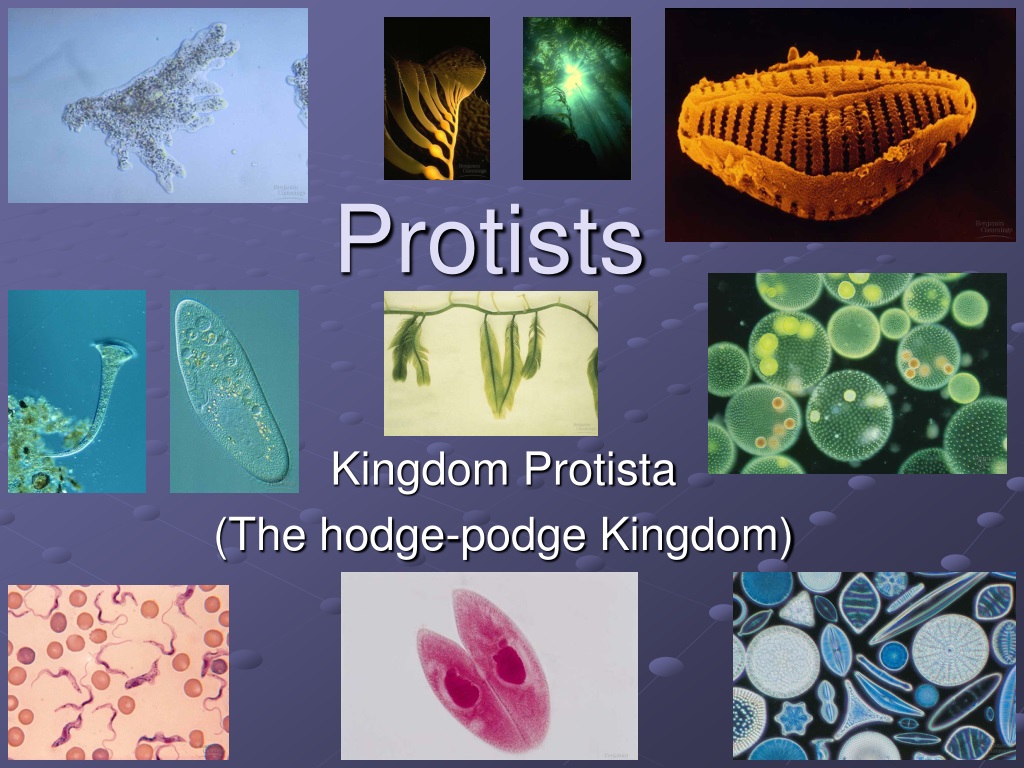
Kingdom Protista consists of eukaryotic organisms that do not fit neatly into the other eukaryotic kingdoms (Fungi, Plantae, Animalia). Most are unicellular, though some form colonies or simple multicellular structures without true tissues or organs. Protists are primarily aquatic (freshwater, marine) or moist terrestrial habitats, and they exhibit diverse modes of nutrition, locomotion, and reproduction. In Whittaker's five-kingdom system, Protista acts as a "catch-all" kingdom for eukaryotic organisms lacking the specialized features of plants, animals, or fungi.
Key general characteristics:
- Eukaryotic: True nucleus with nuclear membrane, membrane-bound organelles (mitochondria, ER, Golgi, etc.), 80S ribosomes.
- Mostly unicellular; some colonial (e.g., Volvox) or multicellular but simple (e.g., kelp-like in some classifications, though modern views separate).
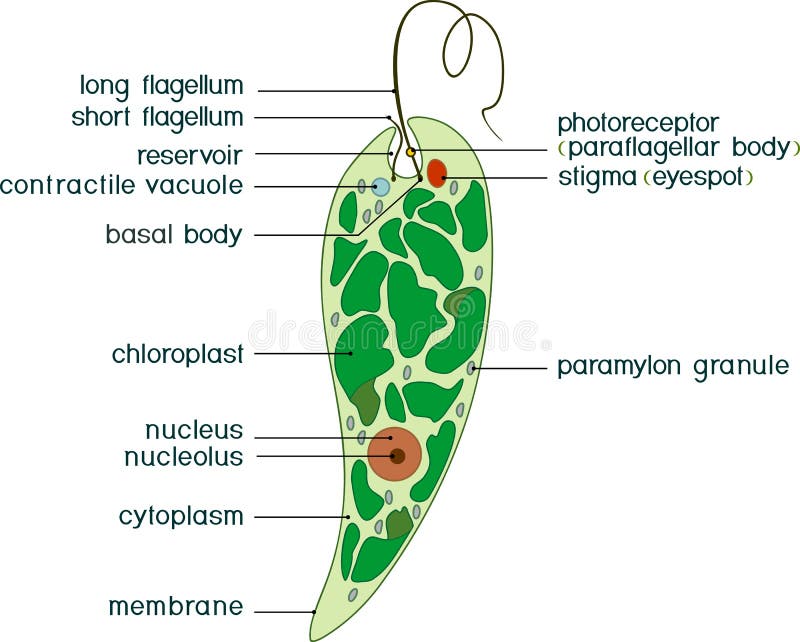
- Nutrition: Autotrophic (photosynthetic), heterotrophic (holozoic, saprophytic, parasitic), or mixotrophic (both, e.g., Euglena).
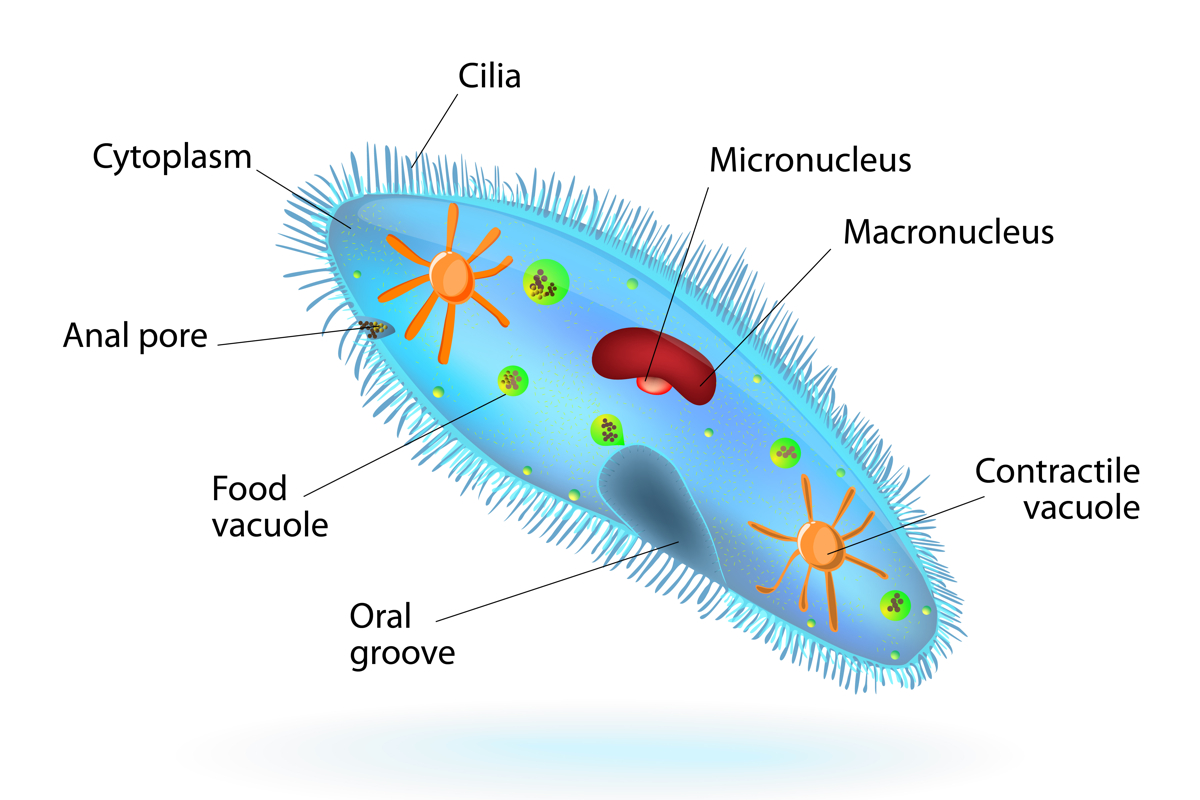
- Locomotion: Pseudopodia (Amoeba), cilia (Paramecium), flagella (Euglena), or none (some sporozoans).
- Reproduction: Asexual (binary fission, multiple fission, budding, spore formation) and sexual (conjugation, syngamy).
- Cell wall: Present in some (e.g., diatoms – silica; dinoflagellates – cellulose), absent in others (e.g., Amoeba).
- Habitat diversity: Free-living, symbiotic, parasitic; some cause diseases (e.g., malaria by Plasmodium).
Nuance: Protista is paraphyletic (not a natural clade) in modern phylogeny, but NCERT retains it for simplicity. Implications: Protists bridge prokaryotes and complex multicellular life, contributing to oxygen production (phytoplankton), food chains, and symbioses (e.g., coral zooxanthellae).

Major Groups in Kingdom Protista
Protists are grouped based on locomotion and nutrition (protozoans, algae-like, fungus-like), though modern classification uses clades like Excavata, SAR, Archaeplastida.
- Protozoan-like (animal-like, heterotrophic):
- Amoeboid (Sarcodina): Move/feed via pseudopodia; e.g., Amoeba proteus (freshwater, phagocytosis), Entamoeba histolytica (parasitic, amoebic dysentery).
- Flagellated (Mastigophora): Flagella for locomotion; e.g., Trypanosoma (sleeping sickness), Leishmania.
- Ciliated (Ciliophora): Cilia for movement/feeding; e.g., Paramecium (complex structure with macro/micronucleus).
- Sporozoans (Apicomplexa): No locomotion in adult; parasitic; e.g., Plasmodium (malaria, complex life cycle alternating hosts).



- Plant-like (autotrophic, photosynthetic algae):
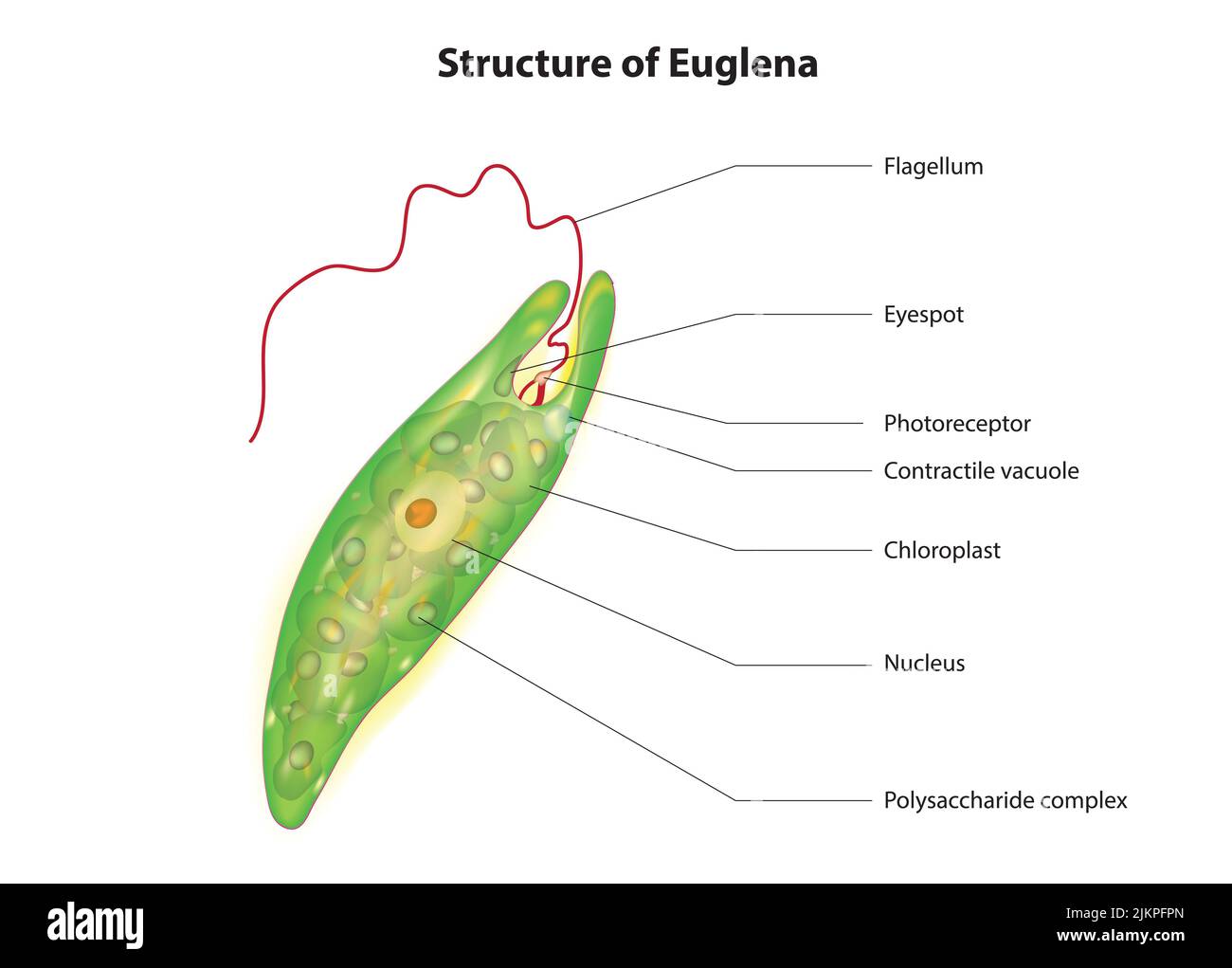
- Euglenoids: Mixotrophic; e.g., Euglena (flagella, eyespot for phototaxis, chloroplasts with chlorophyll a/b, paramylon storage).
- Dinoflagellates: Two flagella, cellulose plates; e.g., cause red tides (bioluminescence, toxins).
- Diatoms: Silica frustules (cell walls), photosynthetic; major phytoplankton, form diatomaceous earth.
- Golden algae, brown algae (some simple forms), green algae (unicellular/colonial).


- Fungus-like (saprophytic/heterotrophic):
- Slime molds: Amoeboid or plasmodial stages; form fruiting bodies with spores.
- Water molds (Oomycetes): e.g., Phytophthora (potato blight).
Edge case: Euglena as mixotroph blurs autotrophic/heterotrophic lines; placed in Protista due to unicellularity and flagella. Related: Colonial forms like Volvox show early division of labor, hinting at multicellular evolution.
Special Features and Importance
- Ecological: Phytoplankton (diatoms, dinoflagellates) produce ~50-80% atmospheric oxygen; base of aquatic food webs.
- Economic: Diatomaceous earth (abrasives, filters); algin from brown algae; parasitic protists cause diseases (malaria affects millions).
- Reproduction nuance: Alternation of generations in some (e.g., foraminiferans); sexual reproduction increases genetic diversity.
Section 2: Quick Revision, Tips, Traps
Quick Revision
| Group | Locomotion | Nutrition | Key Examples | Special Features |
|---|---|---|---|---|
| Amoeboid | Pseudopodia | Heterotrophic (phagocytosis) | Amoeba, Entamoeba | Temporary pseudopodia, contractile vacuole |
| Flagellated | Flagella | Heterotrophic/mixotrophic | Trypanosoma, Euglena | Eyespot in Euglena, kinetoplast in Trypanosoma |
| Ciliated | Cilia | Heterotrophic | Paramecium | Macro/micronucleus, trichocysts |
| Sporozoans | None (adult) | Parasitic | Plasmodium | Complex life cycle, sporozoites |
| Plant-like | Flagella/gliding/none | Autotrophic/mixotrophic | Diatoms, Dinoflagellates, Euglena | Silica walls (diatoms), eyespot (Euglena) |
- Key Mnemonics: Protozoan groups – "Amoeba Fights Ciliates Sporadically" (Amoeboid, Flagellated, Ciliated, Sporozoans). Protista as "Plant-Animal-Fungus Hybrid" kingdom.
- Important Points: All eukaryotic but mostly unicellular; diverse nutrition/locomotion; no true tissues; many aquatic.
Exam Tips
- Draw/label structures: Amoeba (pseudopodia, vacuoles), Paramecium (cilia, nuclei), Euglena (flagellum, eyespot, chloroplast) – high marks in SSC/RRB descriptive.
- Examples mandatory: Link organism to group/feature (e.g., Plasmodium – sporozoan, malaria).
- Application: Role in oxygen production (phytoplankton), diseases (malaria, dysentery) – UPSC/SSC favor.
- Compare with Monera: Eukaryotic vs prokaryotic; organelles present vs absent.
Traps to Avoid
- Don't place Euglena in Plantae (unicellular, mixotrophic, flagellated – Protista).
- Trap: All algae in Protista? No – multicellular algae often Plantae in NCERT; unicellular/colonial in Protista.
- Common error: Paramecium has two nuclei – macro (vegetative), micro (reproductive).
- Avoid: Protista not monophyletic; but exams use Whittaker's grouping.
- Nuance trap: Slime molds fungus-like but amoeboid movement – not Fungi (no chitin wall).
Section 3: Previous Asked Questions-Answers and Expected Questions-Answers
Previous Asked Questions-Answers
(From UPSC, SSC, RRB, JE, TGPSC/TGLPRB papers, 2018–2025):
- Organisms of kingdom Protista are (SSC CGL 2020, RRB NTPC 2021) Answer: Eukaryotic, mostly unicellular.
- Which of the following is included in kingdom Protista? (UPSC Prelims 2019, TGPSC 2023) Answer: Amoeba / Paramecium / Euglena / Plasmodium (options vary; all Protista).
- Euglena is placed in Protista because (SSC CHSL 2022, RRB JE 2020) Answer: It is unicellular, eukaryotic, and shows mixotrophic nutrition.
- Paramecium shows which type of locomotion? (SSC MTS 2018, TGLPRB 2022) Answer: Ciliary locomotion (cilia).
- The causative agent of malaria belongs to kingdom (UPSC 2021, TGPSC Group 2 2024) Answer: Protista (Plasmodium, sporozoan).
- Which protist has silica cell wall? (SSC CGL 2023) Answer: Diatoms.
- Amoeba moves with the help of (RRB Group D 2019, JE 2021) Answer: Pseudopodia.
- Mixotrophic nutrition is found in (SSC 2024, TGPSC 2025) Answer: Euglena.
- Which is a ciliate protist? (UPSC 2022) Answer: Paramecium.
- Plasmodium completes its life cycle in (SSC 2023) Answer: Two hosts – human (asexual) and female Anopheles mosquito (sexual).
Expected Questions-Answers
(For 2026 exams – UPSC, SSC, RRB, JE, TGLPRB, TGPSC):
- Describe the structure of Euglena. (Expected UPSC Mains/SSC descriptive) Answer: Elongated, flagellated; anterior flagellum, eyespot (stigma), photoreceptor, contractile vacuole, chloroplasts, paramylon granules, nucleus; mixotrophic.
- Differentiate parasitic and free-living protists with examples. (Expected SSC CGL 2026) Answer: Parasitic: Plasmodium (malaria), Entamoeba (dysentery); Free-living: Amoeba (ponds), Paramecium (freshwater).
- Role of diatoms in ecosystem? (Expected RRB JE 2026) Answer: Photosynthetic phytoplankton, produce oxygen, base of food chain, silica shells form diatomaceous earth.
- Why is Protista called a connecting link kingdom? (Expected TGPSC 2026) Answer: Shows features of plants (autotrophy), animals (heterotrophy/motility), fungi (saprophytism in some); bridges unicellular to multicellular.
- Explain binary fission in Paramecium. (Expected TGLPRB 2026) Answer: Asexual: Macronucleus divides amitotically, micronucleus mitotically; transverse constriction forms two daughters.
- Which protist causes red tides? (Expected UPSC Prelims 2026) Answer: Dinoflagellates (e.g., Gonyaulax).
- Compare locomotion in Amoeba, Paramecium, Euglena. (Expected SSC CHSL 2026) Answer: Amoeba – pseudopodia; Paramecium – cilia; Euglena – flagella.
- Importance of protists in disease and economy. (Expected RRB NTPC 2026) Answer: Disease: Malaria (Plasmodium), amoebiasis (Entamoeba); Economy: Diatomaceous earth, alginates, oxygen production.
- Why Euglena not in Plantae? (Expected JE 2026) Answer: Unicellular, lacks true tissues, mixotrophic (heterotrophic in dark), flagellated.
- Complex life cycle in Plasmodium involves alternation of hosts – explain briefly. (Expected TGPSC 2026) Answer: Asexual in human liver/RBCs (schizogony), sexual in mosquito (gametogony, sporogony); sporozoites infective to humans.