Unit 2.4: Trade Links, Weights & Measures
Indian History → Indian History → Pre-History → Pre-History → The Bronze Age (Indus Valley Civilization) | Author: admin | Feb 10, 2026
Introduction & Significance
The trade links, weights, and measures of the Indus Valley Civilization (IVC) highlight a sophisticated economic system during its Mature phase (2600–1900 BCE), supporting urban growth without coinage through barter and standardization. Trade was internal (among IVC sites) and external (with Mesopotamia, Oman, Iran, Afghanistan), exchanging goods like cotton and beads for lapis lazuli and tin, evidenced by seals abroad. Weights and measures were uniform, using binary/decimal systems for fair transactions, taxation, and construction, indicating centralized control and advanced metrology superior to contemporaries. Significance: Enabled surplus economy, maritime/overland networks, and cultural exchanges; for exams, focus on evidence like Lothal dockyard and chert weights, linking to IVC's peaceful, trade-driven society.
Chronological Timeline
- 3300–2600 BCE (Early Harappan): Proto-trade; local exchanges, early weights at Mehrgarh.
- 2600–1900 BCE (Mature Harappan): Peak trade; standardized weights/measures; exports to Mesopotamia; dockyard at Lothal.
- 1900–1300 BCE (Late Harappan): Decline; reduced external links due to aridification; weights persist but trade shrinks.
- 1920s Excavations: Harappa/Mohenjo-daro reveal weights; Lothal (1950s) confirms maritime trade.
- Modern: Weights found in Oman/Mesopotamia confirm links (1970s–present).
Concept Explanation / Deep Dive
IVC trade was barter-based, facilitated by standardized weights/measures ensuring equity in exchanges. Concept: Metrological Standardization—uniform cubical weights (binary ratios) and length scales (decimal) for trade, taxation, and building, reflecting bureaucratic oversight. Overland routes via Afghanistan/Iran; maritime from Lothal to Oman/Mesopotamia, using seals as "passports." Influenced by rivers/monsoons, trade boosted urbanization but declined with climate change. Site-tool-culture linkage: Lothal dockyard (tool: seals/weights) ties to mercantile culture; weights near city gates suggest tax collection.
Key Terminology Box (Meanings & Definitions)
- Barter System: Exchange of goods without money; IVC's primary trade mode.
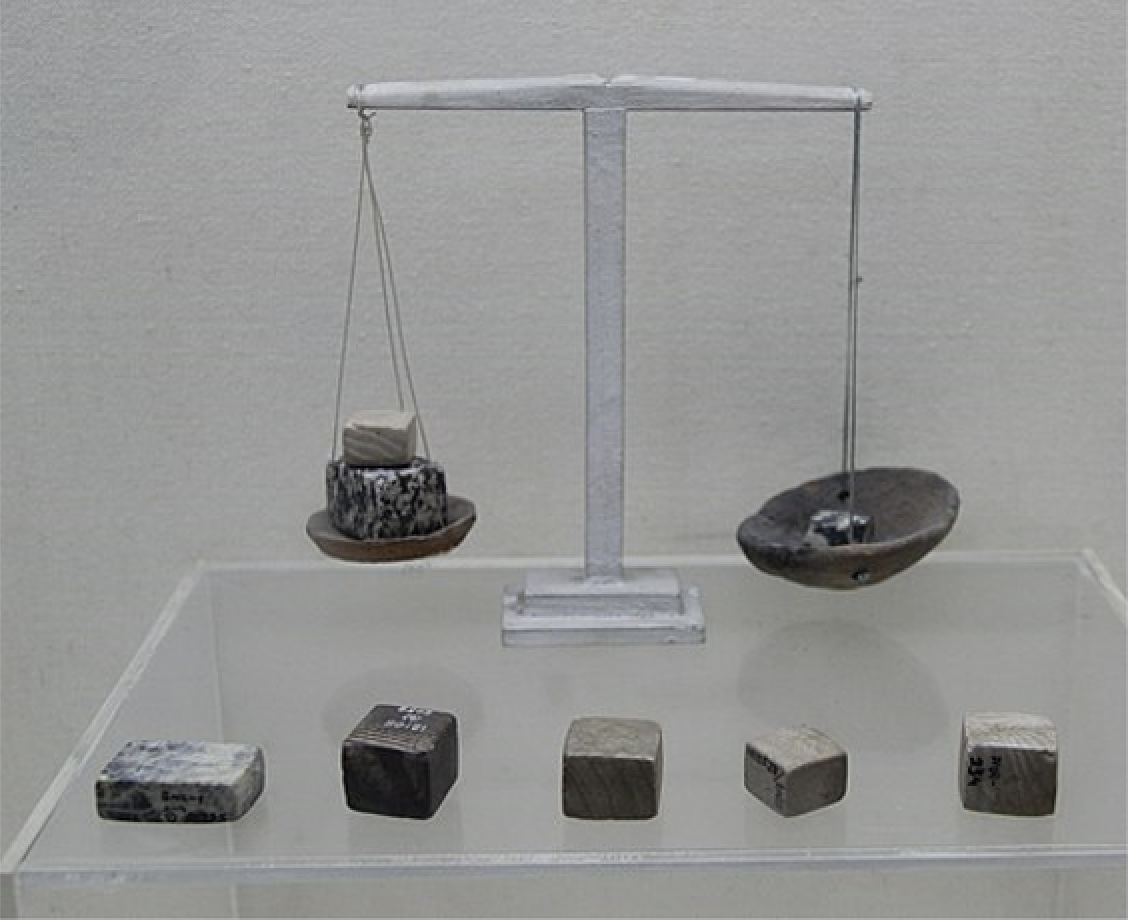
- Cubical Weights: Stone (chert) cubes in binary ratios for measuring mass.
- Binary Ratio: Weights doubling (1:2:4:8...); base unit ~13.7g.
- Decimal Division: Length measures in multiples of 10; smallest ~1.7mm.
- Maritime Trade: Sea-based exchanges via ports like Lothal.
- Seals: Steatite stamps for trade authentication/marking.
Highlight: Weights = "Binary Cubes" – recall for standardization in exams.
Important Archaeological / Factual Details
- Weights: Chert cubical, ratios 1/16 to 12800; smallest 0.871g, largest 13.7kg; found at gates for tariffs.
- Measures: Ivory scale at Lothal (1.704mm units); brick sizes uniform.
- Trade Evidence: Harappan seals in Ur (Mesopotamia); weights in Oman.
- Exports/Imports: Cotton to Sumer; lapis from Afghanistan.
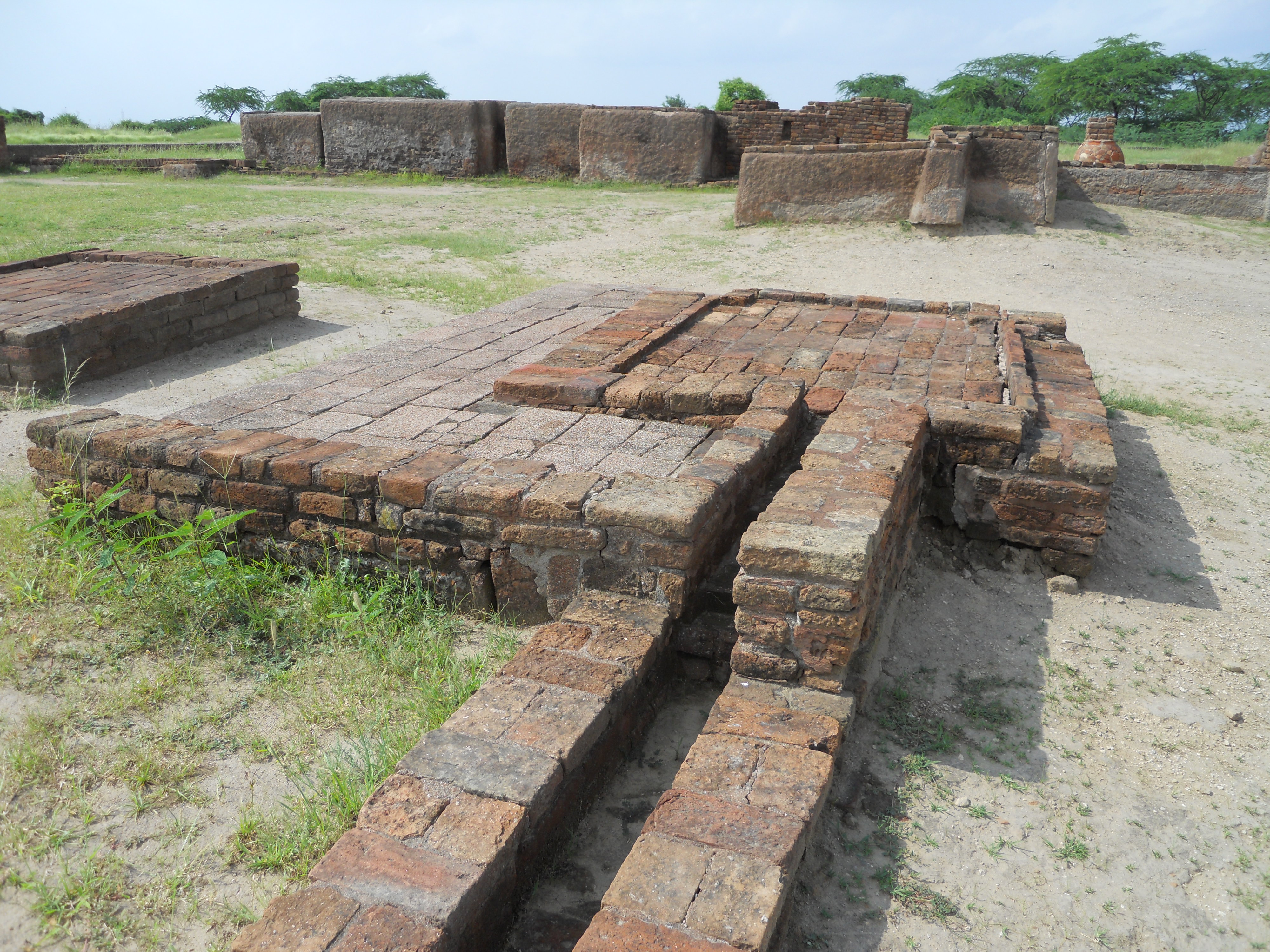
- Routes: Overland (Kulli); sea (Lothal dockyard, 220x35m).
Tools, Lifestyle, Culture
- Tools: Cubical weights, seals (unicorn motif), terracotta boats; no coins.
- Lifestyle: Merchant-driven; surplus from agriculture enabled trade; urban hubs like Harappa for exchanges.
- Culture: Egalitarian, peaceful; seals suggest guilds; trade fostered craftsmanship (beads).
Site–Tool–Culture Linkage:
- Lothal: Dockyard + weights ? Maritime mercantile culture.
- Harappa: Seals + weights ? Tax/trade hub.
- Mohenjo-daro: Granaries + measures ? Storage-linked economy.

Frequently Asked Exam Facts
- Weights binary, not uniform mass everywhere but standardized ratios.
- Trade with Sumer (Mesopotamia seals); no IVC coins.
- Lothal: World's oldest dockyard.
- Measures: Multiples of 16; used for bricks too.
- Decline: Loss of standardization post-1900 BCE.
Comparison Tables / Charts
| Aspect | Internal Trade | External Trade |
|---|---|---|
| Goods | Beads, shells, metals | Cotton (export), lapis (import) |
| Evidence | Weights at sites | Seals in Mesopotamia/Oman |
| Routes | Riverine/land within IVC | Maritime (Lothal to Gulf) |
| Sites | Harappa, Kalibangan | Lothal, Sutkagen Dor |
| Impact | Urban surplus | Cultural exchanges |
Solved Example Questions
- Question: What system did IVC use for weights? Answer & Explanation: Binary ratio. (Explanation: Doubles like 1:2:4; for trade fairness.)
- Question: Which site had a dockyard for trade? Answer & Explanation: Lothal. (Explanation: Maritime link to Mesopotamia; site-tool link.)
- Question: IVC traded with which civilization? Answer & Explanation: Mesopotamia. (Explanation: Seals evidence; external trade.)
Flowchart Summary
Start: Mature IVC (2600 BCE) ? Surplus Agriculture
?
Standardization: Weights (Binary) + Measures (Decimal) ? Fair Barter
?
Internal Trade: Sites (Harappa goods) ? Urban Economy
? (Branches)
External Trade: Overland (Afghanistan lapis) + Maritime (Lothal cotton to Sumer)
Culture: Seals for Authentication ? Merchant Guilds
?
Decline (1900 BCE): Climate Change ? Reduced Links
End: Loss of Standardization
Spatial Context (Indian Archaeological Sites)
- Gujarat: Lothal—dockyard, rice trade; Sutkagen Dor—western port.
- Rajasthan: Kalibangan—weights, local trade.
- Haryana: Banawali—plough, agricultural surplus.
- Punjab (Pakistan): Harappa—seals/weights hub.
- Sindh (Pakistan): Mohenjo-daro—granaries for exports. Highlight: Trade sites coastal/riverine for access—map focus.
Ultra-Short Exam Capsule
- Trade: Internal barter, external Mesopotamia; Tools: Binary weights, seals; Sites: Lothal (dock), Harappa (hub); Link: Standardized economy.
Type 2 – Quick Revision & Exam Tricks
- Highlights & Tricky Points: Trade barter (no coins); weights binary, not decimal only; horse rare, not traded much.
- Memory Aids/Mnemonics: "Lothal Exports Cotton To Sumer" ? LECTS for trade. "Binary Cubes Weigh Trade" ? BCWT for weights.
- Quick Bullet-Style Revision:
- Timeline: 2600–1900 BCE peak.
- Trade: Exports (cotton/beads), Imports (lapis/tin); Links: Mesopotamia/Oman.
- Weights: Chert cubes, binary (1:2:4); Measures: Decimal, 1.7mm unit.
- Sites: Lothal (dock), Harappa (seals).
- Culture: Merchant, peaceful; Tools: Seals/weights.
- Linkage: Site (Lothal) ? Tool (dock/weights) ? Culture (maritime).
- Common Exam Traps: Confusing binary weights with decimal (weights binary, lengths decimal); assuming canals (flood-based).
- Confusing Concepts: Seals vs. Script (seals for trade, script undeciphered); Internal vs. External (internal uniform, external exotic goods).
- Key Terminology/Sites/Tools: Barter, Binary Ratio; Lothal-Harappa; Cubical Weights-Seals.
Type 3 – PYQs & Expected Questions
Previous Year Questions
- SSC CGL: The Indus Valley Civilization had trade relations with which region? Final Answer: Mesopotamia.
- RRB NTPC: Which site is associated with the dockyard of Indus Valley Civilization? Final Answer: Lothal.
- UPPSC: The weights and measures of the Indus Valley Civilization were based on? Final Answer: Binary and decimal systems.
- SSC JE: Evidence of trade with foreign countries in IVC is found in the form of? Final Answer: Seals.
- SSC CGL: The dominant number used for weights in IVC was? Final Answer: 16.
Expected/High-Probability Questions
- What was the base unit for IVC weights? Final Answer: Approximately 13.7 grams.
- Name the material used for IVC cubical weights. Final Answer: Chert.
- Which IVC site provides evidence of maritime trade? Final Answer: Lothal.
- What ratio was followed in IVC weights? Final Answer: Binary (1:2:4:8).
- Compare IVC trade with Mesopotamia. Final Answer: Exports: Cotton; Imports: Tin.
- Evidence of standardized measures is found at which site? Final Answer: Lothal.